


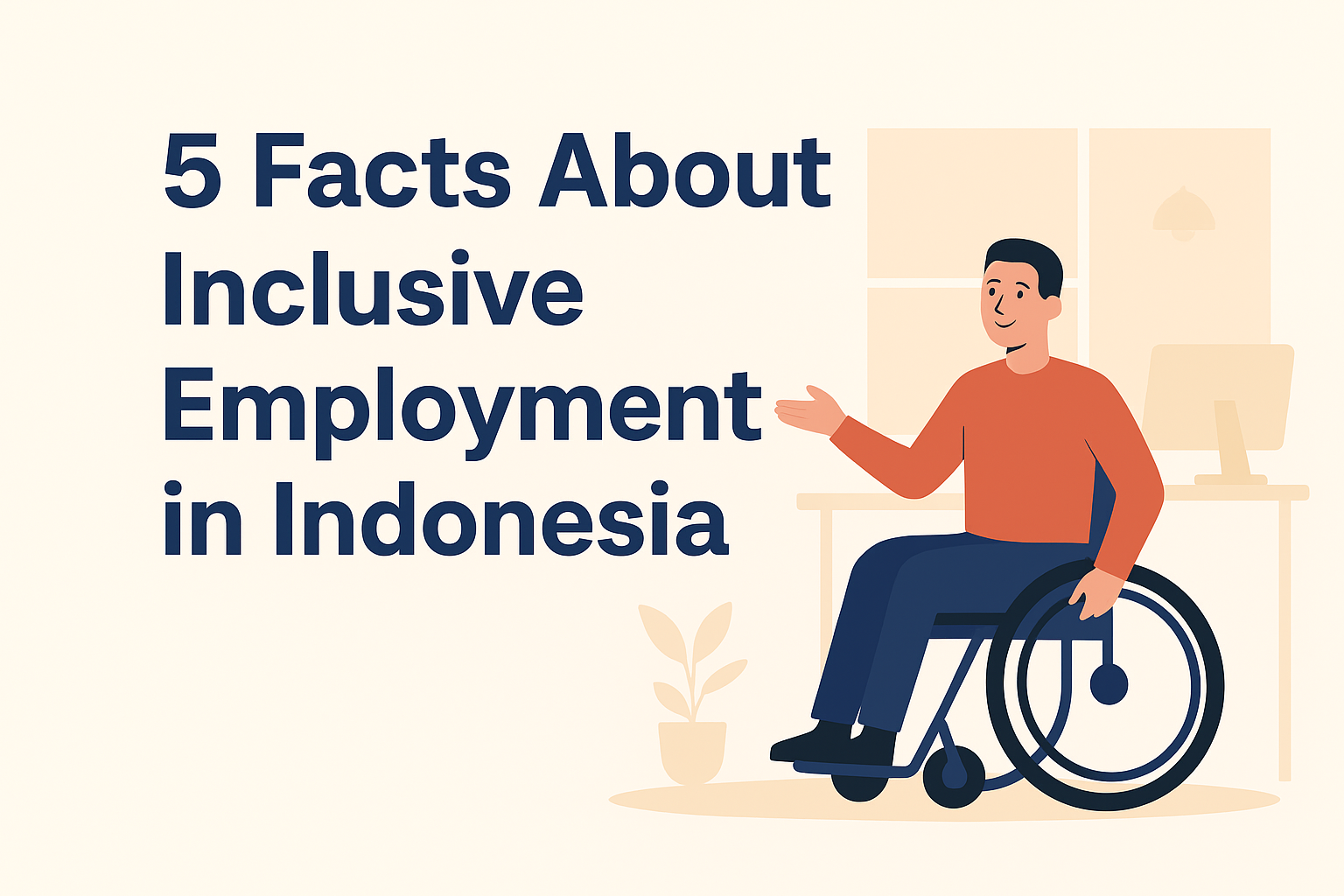
Building an Inclusive Workforce
Inclusive employment has become an increasingly important issue in Indonesia. With growing awareness and stronger government policies, more organizations are realizing that hiring people with disabilities is not only a social responsibility but also a smart business move.
Creating an inclusive workplace leads to innovation, productivity, and a stronger sense of community.
Here are five key facts about how disability inclusion is shaping the future of work in Indonesia.
1. 1% Job Quota for Private Companies
According to Law No. 8 of 2016 on Persons with Disabilities, private companies with more than 100 employees are required to allocate at least 1% of their job positions for people with disabilities.
This regulation aims to ensure equal opportunity and demonstrate corporate commitment to diversity and inclusion.
2. 2% Job Quota for Government Institutions and State-Owned Enterprises
Public institutions and state-owned enterprises (SOEs) have a higher quota — they are required to provide at least 2% of job positions for people with disabilities.
This policy ensures that the public sector sets an example in promoting equality and inclusion in the workplace.
3. Employees with Disabilities Are Equally Productive and Loyal
Studies show that employees with disabilities are just as productive and loyal — if not more so — than their non-disabled peers.
Their resilience, problem-solving skills, and strong work ethic make them valuable assets for any inclusive organization.
4. Interviews Can Be More Flexible
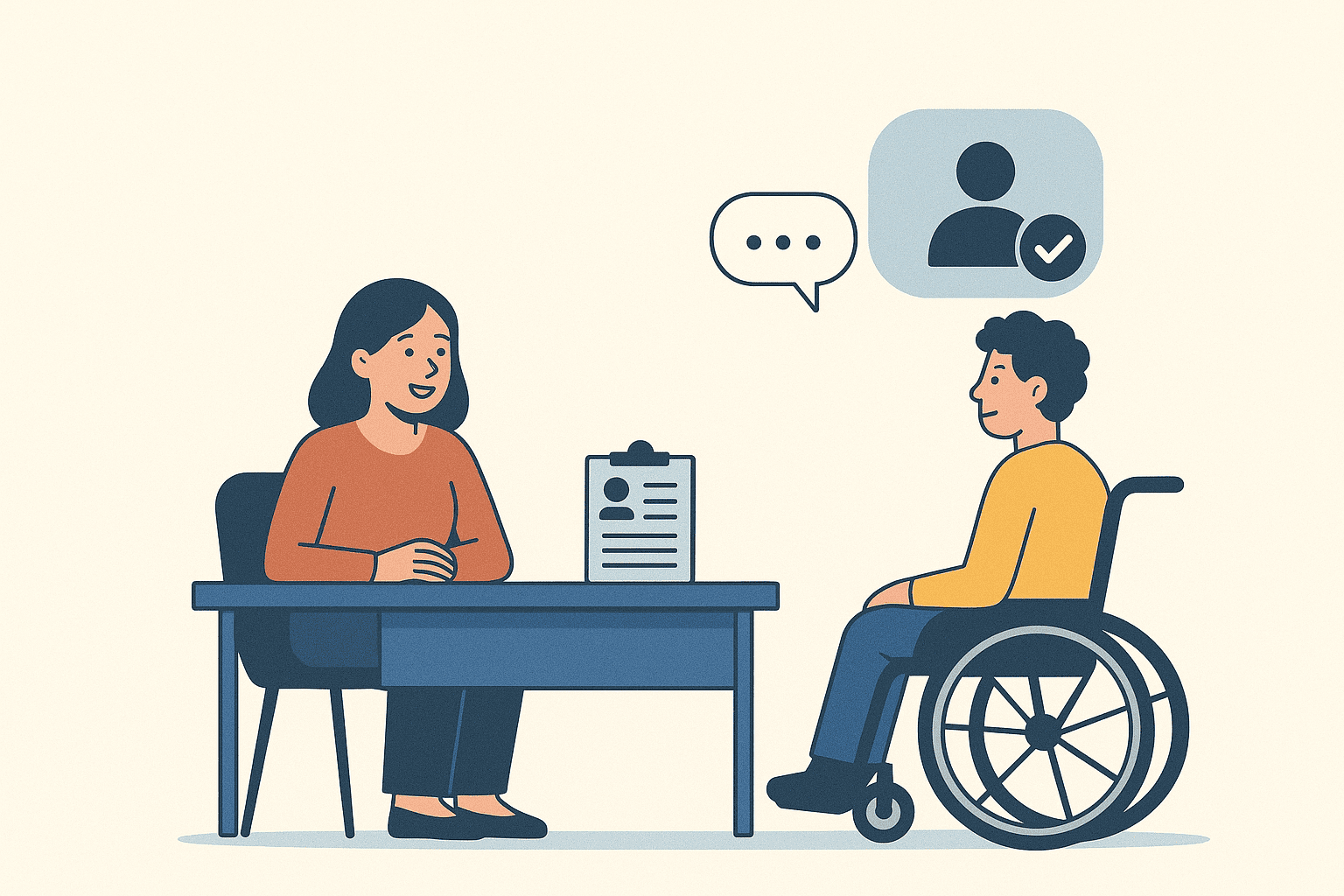
Inclusion starts at recruitment. Job interviews can be conducted in different formats — written, via video, or with an assistant — as part of reasonable accommodation.
This ensures that every candidate has a fair opportunity to present their skills and potential.
5. Career Opportunities Across All Fields
People with disabilities can pursue careers in a wide range of industries, from hospitality and design to data analytics and information technology.
This shows that ability, not disability, defines one’s potential to succeed in the workplace.
Moving Toward a More Inclusive Future
Inclusive employment is not just a legal obligation — it’s a strategy for building a stronger, more empathetic, and sustainable workplace.
By creating opportunities for people with disabilities, companies can drive innovation, boost morale, and strengthen their social impact.
Let’s continue working together to build a future where everyone has the opportunity to grow, contribute, and succeed.
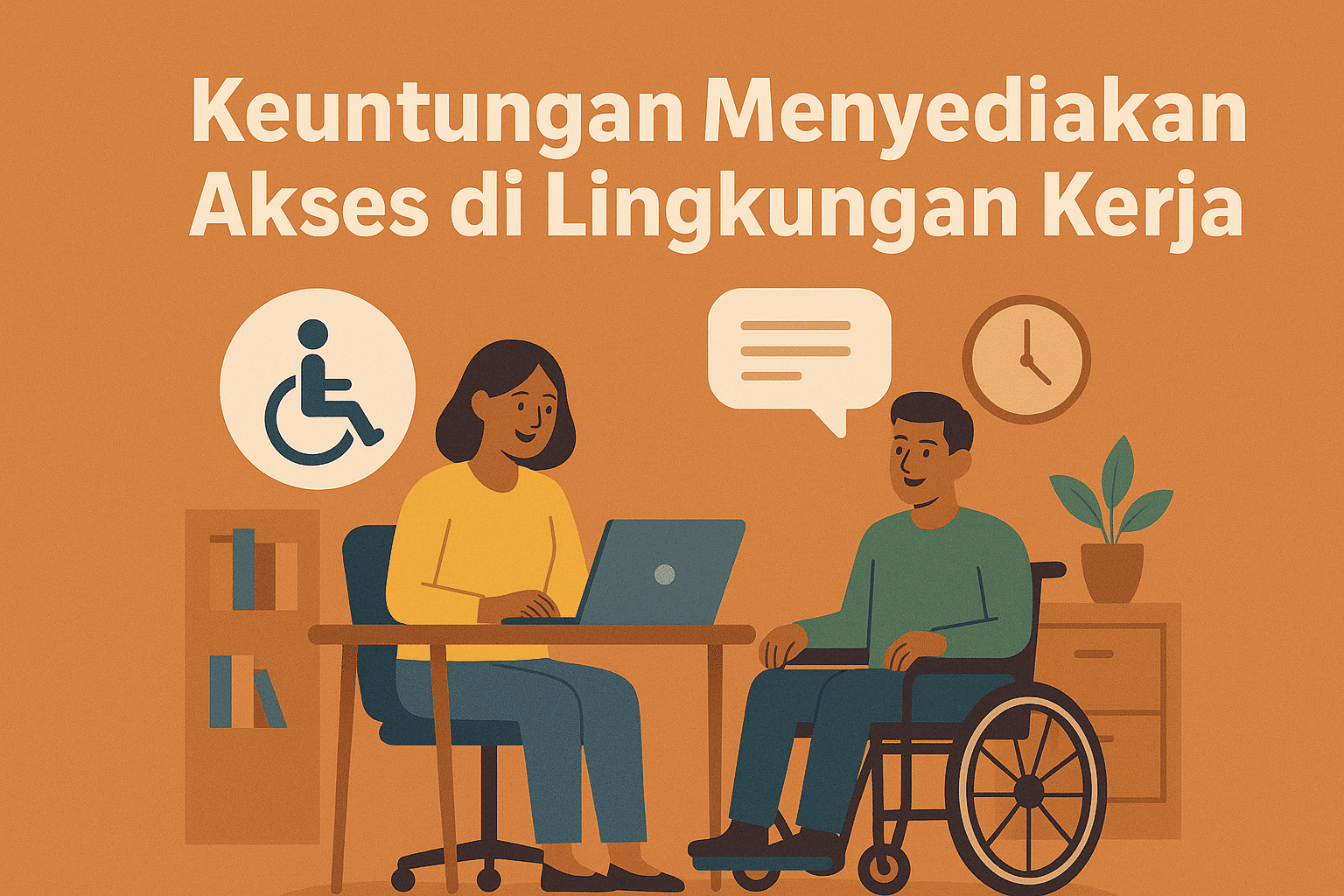
Creating an inclusive work environment for persons with disabilities is not just about providing additional facilities—it requires a comprehensive understanding of their diverse and specific needs. Practical accommodations impact not only comfort but also productivity and employee loyalty.
Here are several comprehensive strategies companies can implement to provide appropriate workplace accommodations:
1. Understand the Legal Framework as a Foundation
The first step is understanding the regulations that serve as both a legal and ethical guide. Indonesia’s Law No. 8 of 2016 on Persons with Disabilities, along with relevant guidelines from the Ministry of Manpower, requires employers to provide reasonable accommodations. This includes physical accessibility, accessible information, and reasonable adjustments to the job process. These legal frameworks serve as the foundation for internal policies.
2. Increase Literacy on Types of Disabilities and Their Implications at Work
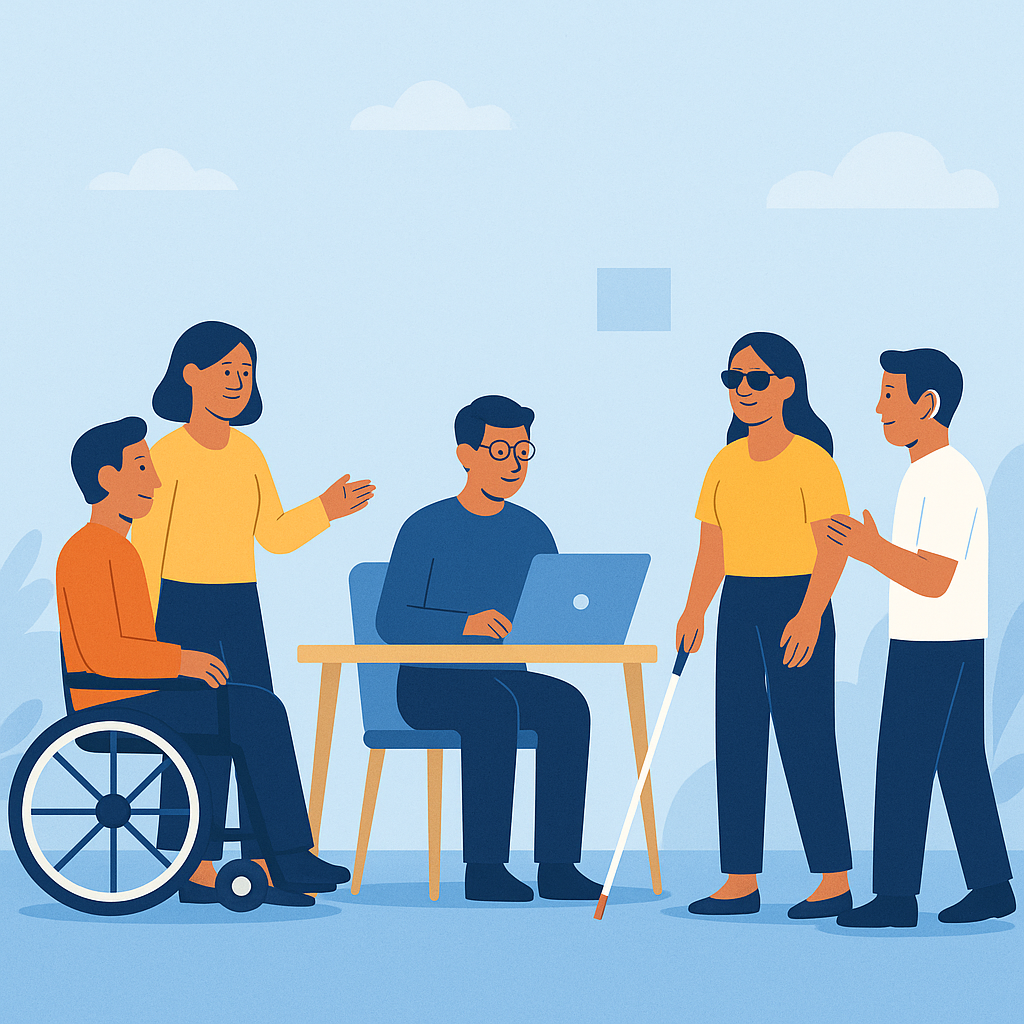
Each type of disability has different needs. Understanding these differences is key to providing the right accommodations. Some examples include:
-
Blind/Low Vision: screen readers, accessible digital documents or applications, and tactile indicators like guiding blocks in the workplace.
-
Physical disabilities: adjustable desks, ramps, and accessible elevators.
-
Deaf/Hard of Hearing: sign language interpreters, written texts, or visual aids.
-
Intellectual or psychosocial disabilities: clear communication, structured routines, and social support from colleagues.
This knowledge helps prevent generic solutions and ensures accommodations are tailored and effective.
3. Engage in Open Communication with Employees with Disabilities
Avoid making assumptions. Instead, have open conversations with employees about what they need to work optimally. Consistent communication builds trust and fosters a responsive workplace. Often, the best solutions come from simply listening to employees’ lived experiences.
4. Conduct Individual and Structured Accessibility Assessments
Each person has unique needs. Personalized assessments can be conducted through:
-
One-on-one interviews
-
Needs surveys
-
Workplace observation
The results should be well-documented and analyzed as a foundation for designing targeted and effective accommodations.
5. Invest in Inclusion Training for HR and Management
Workshops and training on disability inclusion can equip HR teams and managers with practical skills, such as designing inclusive recruitment processes, providing sensitive feedback, and building diverse teams. These efforts help foster a more adaptive and non-exclusive organizational culture.
6. Pilot and Validate Accommodations
Before applying accommodations on a larger scale, test them with the intended users. Gather direct feedback: Does the tool or facility truly help? Are there any challenges?
For example, an application designed to be accessible might not yet work well with screen readers due to technical barriers. Testing helps avoid waste and ensures efficiency.
7. Conduct Regular Evaluation and Adjustment
Employee needs can change over time due to advancements in technology, shifts in job roles, or changes in individual health. Conduct regular evaluations (e.g., every six months) to ensure accommodations remain relevant and effective. Involve employees with disabilities in the process to keep their voices central to every decision.
Workplace accommodation is not about giving special treatment, but about ensuring equal access for everyone to perform at their best. Companies that implement accommodations effectively not only comply with the law but also demonstrate leadership in promoting diversity, innovation, and employee well-being.
Join DNetwork in creating a more inclusive work environment through educational programs on how to provide appropriate accommodations for employees with disabilities.
Together, let’s build a fairer, more adaptive, and inclusive workplace.
#WorkplaceInclusion #AccommodationStrategies #DisabilityInclusion #DNetworkForCompanies